Most runners train in a straight line: more miles this week than last, more intensity when it feels okay, and no real plan for when to back off until something forces the issue – usually an injury or a flat performance. That’s not training, it’s accumulation. It works for a while, then it stops working, and the runner has no idea why.
The fix isn’t more effort. It’s structure. A 12-week block, broken into a repeating rhythm of load and deload, gives your body a predictable pattern to adapt to – and gives you a way to know whether the plan is working before race day tells you. It’s the same structure I run my own builds on, not just a template I hand out.
Why open-ended training stalls
Your body adapts to a specific training stimulus, not to effort in general. Run slow miles for months and you’ll get better at running slow miles – that’s it. The training has to match the demand you’re trying to build, whether that’s aerobic capacity, lactate clearance, or race-specific speed. Without a block structure, most runners default to whatever felt good last week, which means the same stimulus gets repeated indefinitely and the specific adaptations you actually need never get targeted.
The other problem with open-ended training is recovery. Fitness isn’t built during the session – it’s built in the 24 to 72 hours after, once the body has recovered enough to adapt above baseline. Push through that window without recovery and you’re stacking fatigue on top of unresolved fatigue. That’s the mechanism behind most non-contact running injuries: not one bad session, but weeks of load with no planned de-load to let adaptation catch up.
The 3:1 rhythm
The block structure I use with runners is three weeks of progressive load followed by one deload week, repeated across a 12-week block:
Weeks 1–3 (load): Volume or intensity increases in a controlled, single-variable way – not both at once. If mileage is climbing, intensity holds steady. If you’re adding a hard session, mileage holds steady. Strength training runs in parallel, usually 2 sessions per week, structured to complement rather than compete with the running load.
Week 4 (deload): Volume drops 30-40%, intensity drops further. This isn’t a rest week in the sense of doing nothing – it’s a week where the body finishes absorbing the previous three weeks’ work. Skip this and the next load block starts from a fatigue deficit, not a fresh one.
That rhythm repeats three times across a 12-week block, with the final block typically shifting emphasis from base building toward race-specific work as the target event approaches.
Where strength training fits
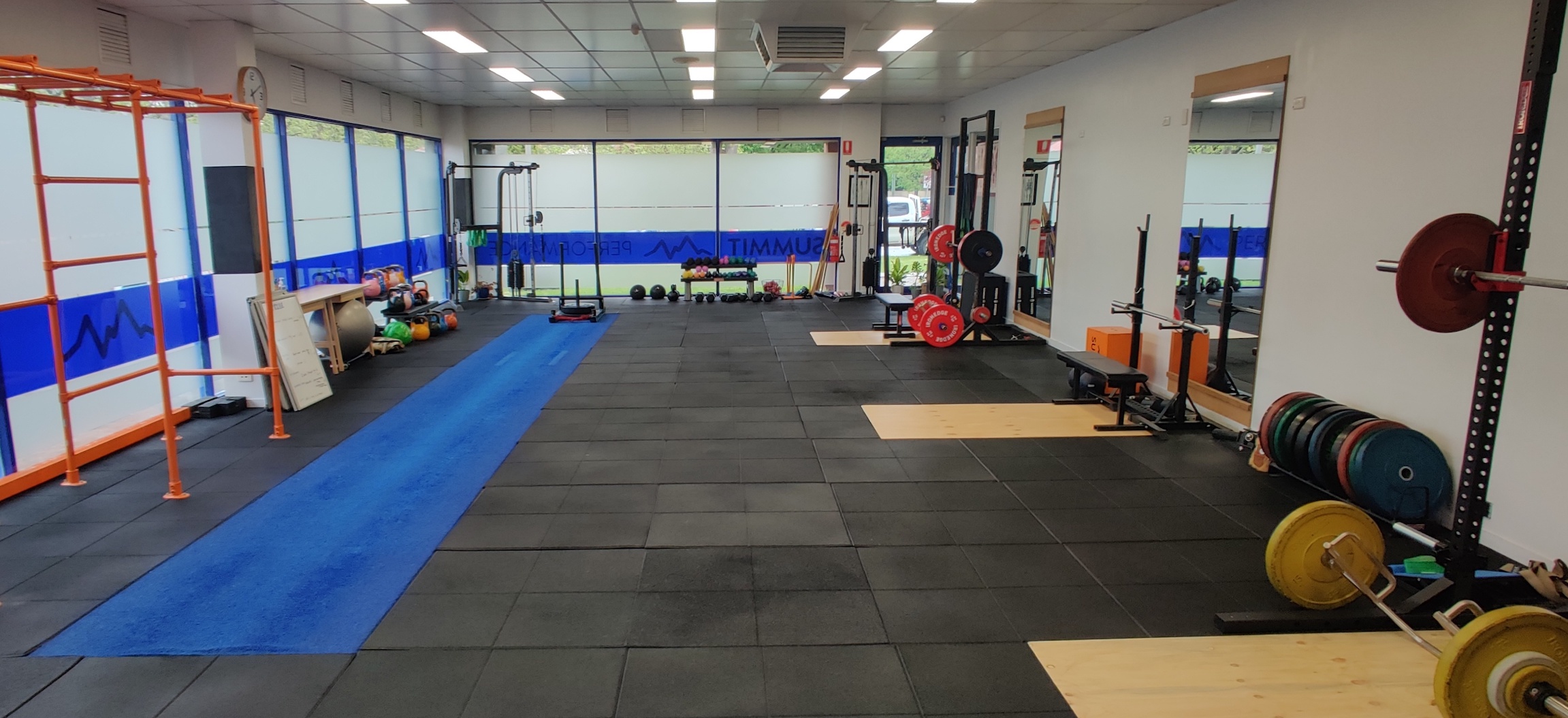
Strength work inside a running block isn’t there to build a six-pack – it’s there to do the jobs running alone can’t: build tissue capacity in tendons and connective structures faster than running load alone would develop it, correct the imbalances and restrictions that running reinforces rather than resolves, and improve force production, which shows up as running economy. Deload weeks apply to strength work the same way – lower volume, lower load, same movement patterns maintained.
Two sessions a week is enough for most runners in-season. The mistake I see most often isn’t too little strength work – it’s strength sessions programmed without any reference to what’s happening in the running block that week, so a heavy leg day lands the day before a key track session and both suffer.
Why the block still works if life gets in the way
A 12-week block isn’t a rigid contract – it’s a framework you can enter at any point and adjust around. If a week gets disrupted by illness, work, or travel, that week simply becomes a lighter week, and the following week resumes the load progression rather than trying to make up lost volume. What matters is the pattern holding over the block, not any single week being perfect.
Building toward a target race
Structuring training in 12-week blocks aligns naturally with a racing calendar. Early blocks emphasise aerobic development, middle blocks introduce more race-specific intensity, and the final weeks taper volume while holding intensity, so you arrive at the start line adapted rather than just tired. Each block has a clear job. That clarity is what separates runners who improve block over block from runners repeating the same training and wondering why the results have stalled.
You can build a 3:1 rhythm yourself from the framework above. Where it usually goes wrong is the judgment calls inside it – when a “light week” should actually stay light versus when you’re using disruption as an excuse, and when a plateau means push versus back off. That’s the part I work through with runners week to week, not the structure itself.