Most training advice for masters runners tackling their first ultra is just marathon advice with the mileage turned down. That’s the wrong adjustment. A trail ultra isn’t a longer road race — it’s a different sport, with a different injury profile, different fuelling demands, and different recovery requirements, and those differences matter more, not less, once you’re training in your 50s.
The demand is different, not just the distance
Road marathon training is built around sustaining a relatively narrow pace band for a fixed distance. Trail ultra training is built around tolerating hours of variable, unpredictable load — steep climbs, technical descents, uneven footing, and a wide range of effort levels within a single outing. The limiting factor usually isn’t your aerobic engine. It’s whether your tendons, joints, and stabilising muscles can absorb that kind of variable loading for six, eight, or twelve hours without breaking down.
That distinction matters most for runners over 50, because the physiology that limits ultra performance at this age isn’t primarily cardiovascular — it’s connective tissue resilience and the rate at which you recover between sessions. As a masters runner myself heading into that same age bracket, it’s a shift I’m managing in my own training, not just observing in clinic.
What actually changes with age
Tendon stiffness and the capacity to absorb eccentric load — the kind of loading that happens every time your foot hits the ground on a downhill — both decline with age if they’re not specifically trained. This is precisely why downhill running technique and eccentric leg strength cause more problems for masters ultra runners than uphill fitness does. Most runners in their 50s can climb reasonably well. What wrecks them is the descents, because nobody trained the tissue capacity to absorb that load repeatedly over hours.
Recovery capacity between hard sessions also genuinely slows with age — this isn’t a motivational problem, it’s a physiological one, and training that ignores it just accumulates fatigue that eventually shows up as an overuse injury or a DNF from accumulated tissue damage, not lack of fitness.
Building the training block around this
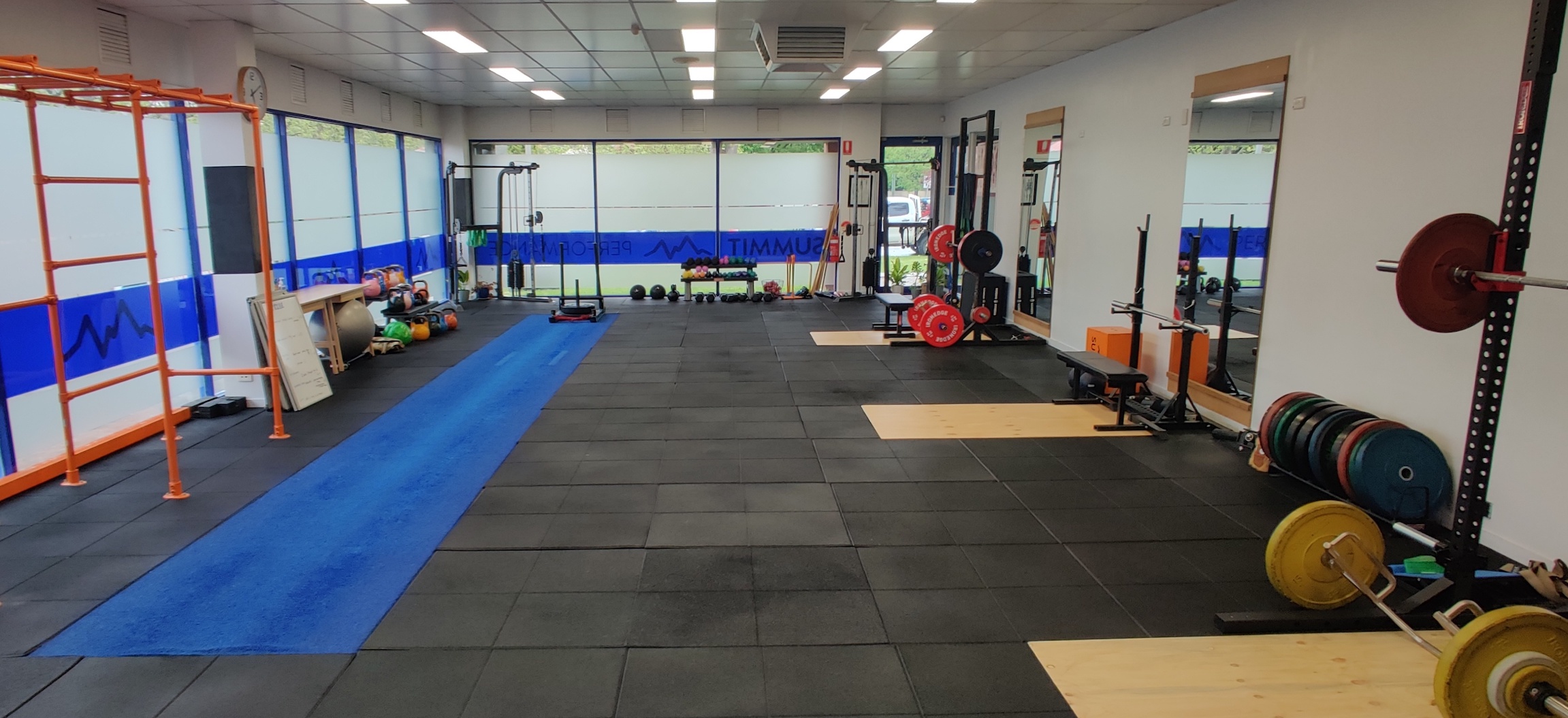
Eccentric strength work is not optional. Weighted step-downs, slow-tempo split squats, and controlled downhill practice on moderate grades all build the tissue capacity that generic marathon strength programs skip entirely. This should be a standing part of the weekly structure for months before race day, not something bolted on in the final few weeks.
Time on feet matters more than pace. Ultra training should be built around accumulating hours of vertical and technical terrain, not hitting pace targets. A back-to-back long weekend — a long run Saturday, a shorter but still substantial run Sunday on tired legs — teaches your body to keep moving efficiently under accumulated fatigue, which is the actual skill an ultra demands.
Recovery has to be programmed, not assumed. For a masters runner, the gap between hard sessions typically needs to be longer than it would for a 30-year-old covering the same volume. This is where a doubles-based structure for easier volume days can help — splitting load into smaller, more frequent doses reduces the single-session mechanical cost while keeping weekly volume where it needs to be.
Practice fuelling as a trained skill. Gut tolerance for the volume of carbohydrate a multi-hour ultra effort requires — often 60–90g per hour — is trainable, but it takes repeated practice in training, not just on race day. This becomes more important, not less, over 50, as digestive tolerance under sustained exertion can be less forgiving than it was a decade earlier.
The mistake most masters runners make
They train like they did for a marathon a decade ago, with pace targets and a taper that assumes a young connective tissue system’s recovery timeline. Then race day exposes the gap — usually on the descents, usually somewhere past the halfway point, when accumulated eccentric load finally outpaces what the legs were trained to absorb.
The runners who handle this well aren’t necessarily the fittest on paper. They’re the ones who spent months building eccentric capacity and practising fuelling and pacing under fatigue, not just logging kilometres.
Eccentric strength, fuelling practice, and recovery spacing are all things you can start building on your own from this. Where a program built specifically for you earns its cost is in the sequencing — how much load your legs can actually take on this month versus next, given where you’re starting from. That’s the part generic ultra plans can’t answer, and it’s what I build for masters runners taking this on.